Data Bites

RADIUS security news and updates from the Cloud RADIUS team.

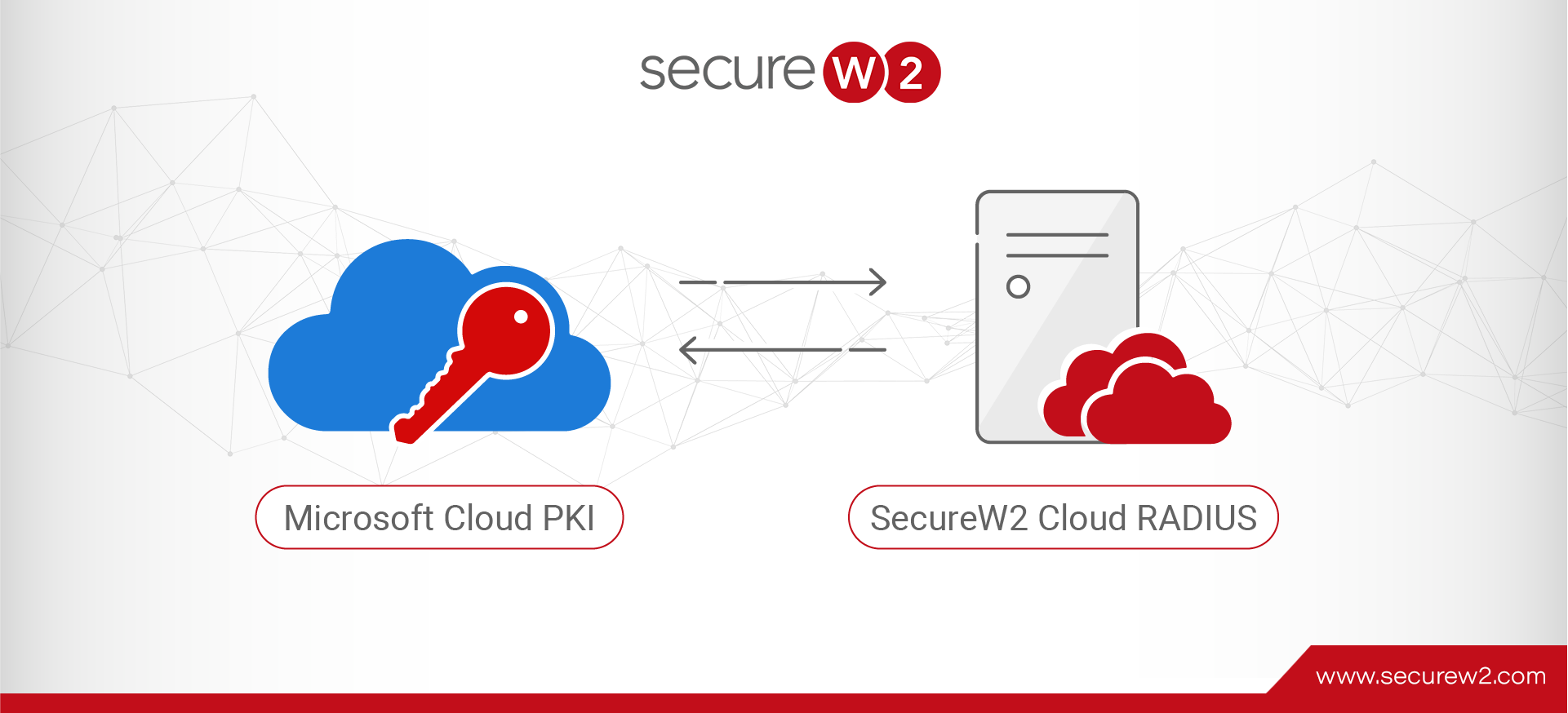
Configuring SecureW2 Cloud RADIUS with Microsoft Cloud PKI

Microsoft Cloud PKI, a recent addition to Intune suite of services, enables organizations to issue certificates to Intune-managed devices. We at SecureW2 have been advocating for certificate-driven authentication for more than a decade, and are really excited about Microsoft’s new PKI enabling certificate authentication for many small organizations that historically couldn’t leverage certs.  However, as […]

Read Story

How To Protect Your Network From Wi-Fi Spoofing Attacks?

Wi-Fi keeps us connected at home, work, and while traveling, but unsecured networks can expose users to serious security threats. Wi-Fi spoofing is one such attack: a cybercriminal creates a fake wireless network that appears legitimate to steal sensitive information. A 2017 campaign targeted hotel guests in Europe and the Middle East using rogue access […]

Read Story

MAC vs Router Mode For RADIUS Authentication

Our dependence on internet connectivity spans work and leisure, necessitating safeguarding our confidential information from unauthorized access. Implementing authentication protocols is a highly effective method for a secure network. Various authentication protocols exist, such as RADIUS and modem/router-based authentication. Both methodologies provide a degree of protection but vary in efficacy and user-friendliness. This blog post […]

Read Story

LDAP Vs. RADIUS

LDAP and RADIUS are often mentioned together because both can play a role in user authentication, but they solve different problems. LDAP, or Lightweight Directory Access Protocol, manages and retrieves identity information from a directory. RADIUS, or Remote Authentication Dial-In User Service, is designed to authenticate and authorize access to networks and services. This article […]

Read Story

The Stages of 802.1X Authentication

The 802.1X authentication protocol is a state-of-the-art cryptographic network technology that provides protection for both wired and wireless networks. The fundamental concept behind the implementation of security protocols is rooted in the necessity to safeguard confidential data and authenticate individuals endeavoring to illicitly infiltrate the system. Upon network enrollment, devices must undergo authentication, which is […]

Read Story